
Fumigation vs. Traditional Pest Control: Key Differences
People seeking fumigation pest control are typically aiming to eliminate severe infestations, and local service providers can help determine whether fumigation or traditional methods are best suited for their needs.
Understanding the differences between fumigation and traditional pest control methods is essential for property owners facing pest challenges. Whether dealing with a stubborn infestation or seeking a targeted approach, knowing how these options compare can help make informed decisions. Many property owners in the area explore this topic to determine which solution aligns best with their specific needs, property type, and pest concerns. As you read on, you'll find practical insights into how local contractors specializing in fumigation and conventional pest control can assist in choosing the most effective treatment for your situation.
Fumigation and traditional pest control each have distinct characteristics that can influence their suitability for different scenarios. Fumigation often provides a comprehensive solution for severe or hard-to-reach infestations, while traditional methods may be more appropriate for ongoing prevention or less extensive problems. Local service providers are experienced in evaluating these differences and recommending the best approach based on your property's unique circumstances. Continuing to explore this topic can help you understand which pest management strategy aligns with your goals and how local experts can support you through the process.
- Fumigation services are suitable for severe infestations or when pests are hidden in hard-to-reach areas, with local contractors using specialized equipment to ensure thorough treatment.
- Traditional pest control is often preferred for ongoing pest management or minor issues, with local pros applying targeted treatments to address specific pests.
- Fumigation pest control is typically chosen for comprehensive eradication of pests like termites or bed bugs, with local service providers managing the entire process safely.
- Traditional pest control services are effective for routine pest prevention and maintenance, with local contractors providing regular inspections and spot treatments.
- Deciding between fumigation vs. traditional pest control depends on the severity of the infestation and the type of pests involved, with local pros offering expert assessment and tailored solutions.
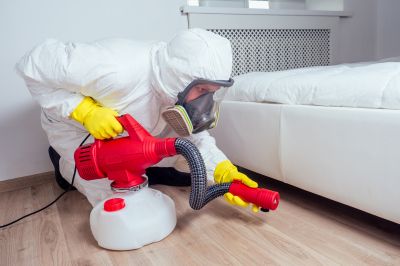
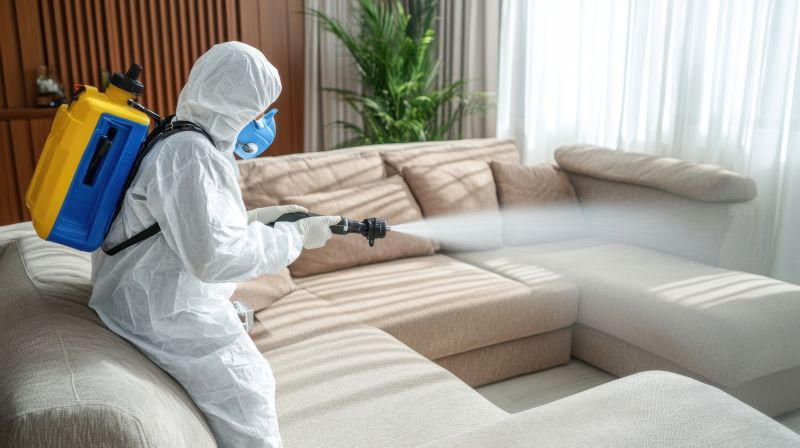

When homeowners search for information on fumigation vs. traditional pest control, they are often trying to understand which method is best suited for their specific pest problems and property types. These searches typically relate to situations where pests are persistent, widespread, or difficult to eliminate using standard treatments. People may be dealing with infestations of termites, bed bugs, or other severe pests that threaten the integrity of their homes or comfort. The goal is usually to find an effective solution that addresses the root of the problem, whether through a targeted approach or a more comprehensive treatment. Understanding the distinctions between these methods helps homeowners make informed decisions about which service provider to contact for their pest management needs.
The kinds of problems that lead homeowners to explore fumigation vs. traditional pest control often involve different levels of infestation severity and property conditions. Traditional pest control generally involves localized treatments, such as sprays or bait stations, aimed at eliminating pests in specific areas. These methods are suitable for minor or moderate infestations and are often used for routine maintenance. Fumigation, on the other hand, is typically reserved for more severe or widespread problems, especially when pests have penetrated hard-to-reach areas or when infestations threaten entire structures. The plans associated with each approach vary based on the pest type, infestation size, and the property's layout. Local service providers can help evaluate these factors and recommend the most appropriate treatment plan for homeowners' unique situations.
Properties that commonly come up in discussions of fumigation vs. traditional pest control include residential homes, especially those with extensive wood structures or large attics prone to termite issues. Multi-unit buildings, such as apartment complexes, are also frequent candidates for fumigation when pests have spread across multiple units or floors. In addition, commercial properties like warehouses or restaurants may require specialized treatments for severe infestations that could impact health or safety standards. The choice between fumigation and traditional pest control often depends on the property’s size, construction materials, and the extent of the pest problem. Local contractors experienced in both methods can assess these property types and recommend the most effective treatment approach to address the specific pest challenges faced.
Understanding how local pest control service providers fit into the picture is crucial for homeowners considering fumigation vs. traditional pest control. These professionals can evaluate the severity of an infestation, the type of pests involved, and the property's characteristics to determine the best course of action. While traditional methods are often suitable for routine or minor issues, fumigation might be necessary for larger, more entrenched problems. Service providers can also explain the scope of each treatment, prepare the property accordingly, and ensure the pest problem is addressed efficiently. For homeowners, connecting with experienced local pros ensures that the chosen treatment aligns with their specific needs, property type, and pest concerns, leading to more effective and tailored pest management solutions.
Termite Treatment Projects - Local contractors specializing in termite treatment often use fumigation and traditional pest control methods to eliminate infestations, requiring detailed planning and specialized tools.
Rodent Exclusion Services - These projects involve sealing entry points and implementing trapping strategies, similar to pest control techniques used in managing larger pests during fumigation or conventional treatments.
Bed Bug Eradication Projects - Bed bug treatments often require targeted approaches like fumigation or heat treatments, with service providers adjusting strategies based on the differences highlighted in fumigation vs. traditional pest control.
Wildlife Removal Projects - Removing nuisance animals involves planning and tools comparable to pest control, with some cases requiring fumigation-like procedures to safely eliminate pests from structures.
Mosquito Control Services - These projects involve applying residual or fogging treatments, similar to fumigation techniques, with local contractors tailoring methods based on the pest control approach used.
Structural Pest Prevention Projects - Preventative treatments for pests like ants and cockroaches often involve planning and application methods aligned with traditional pest control, contrasting with the comprehensive approach of fumigation.

When comparing service providers for pest control, it is important to consider their experience with similar projects, particularly when evaluating fumigation versus traditional pest control methods. Homeowners should inquire about the types of pests the contractors have handled and whether they have specific experience with the scope and complexity of fumigation treatments, which often require specialized knowledge and equipment. Service providers with a demonstrated history of managing comparable projects are more likely to understand the nuances involved and deliver effective results, ensuring that the chosen approach aligns with the specific pest issues present in the home.
Clear, written expectations are essential when selecting a pest control contractor, especially for services like fumigation that involve detailed procedures and safety considerations. Homeowners should seek providers who can articulate the scope of work, the steps involved, and any preparations or post-treatment instructions in a comprehensive written format. This clarity helps prevent misunderstandings and ensures all parties are aligned on what the service entails. Additionally, reputable local contractors should be willing to provide references or examples of past work, allowing homeowners to verify the quality and reliability of their services before making a decision.
Effective communication is a key factor in choosing a pest control service provider, particularly when weighing fumigation versus traditional methods. Homeowners should look for contractors who are responsive, transparent, and willing to answer questions thoroughly. Good communication ensures that homeowners are well-informed about the differences between treatment options, the benefits and limitations of each, and what to expect throughout the process. Contractors who prioritize clear dialogue and are receptive to concerns can help homeowners feel more confident in their choice, leading to a smoother and more satisfactory pest management experience.
Property owners often search for fumigation vs. traditional pest control: key differences when they are planning practical projects around their homes and businesses. Local pros provide Fumigation Pest Control services for everyday jobs and straightforward project options.

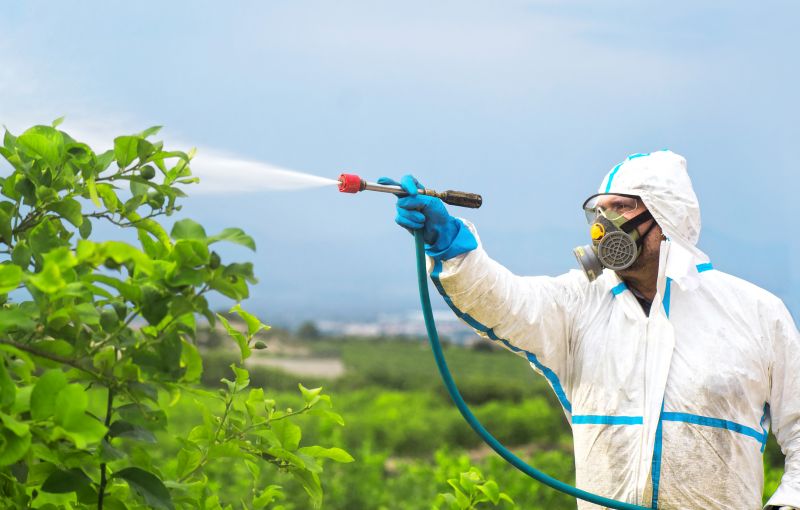
When property owners in the area consider pest control options, understanding the differences between fumigation and traditional pest control methods can influence their decision. Fumigation typically involves enclosing a structure and using a gas to eliminate pests throughout all areas, making it suitable for severe infestations or pests hiding deep within walls and hard-to-reach spots. In contrast, traditional pest control usually relies on targeted treatments such as sprays, baits, or traps applied directly to affected areas, which may be more appropriate for minor infestations or specific pest types. Local contractors can help assess the situation and recommend the most effective approach based on the severity of the pest problem and property layout.
Many property owners look into this topic when facing persistent or widespread pest issues that don’t respond well to standard treatments. Fumigation services from local service providers are often considered for infestations involving pests like termites, bed bugs, or large-scale rodent problems, where thorough eradication is essential. Meanwhile, traditional pest control methods might be sufficient for routine maintenance or less severe situations. Consulting with local pros can help determine whether fumigation or conventional treatments are the right choice, ensuring that the pest problem is addressed effectively and efficiently.
What is the main difference between fumigation and traditional pest control? Fumigation involves sealing an area and using gaseous pesticides to eliminate pests, while traditional pest control typically uses spot treatments or sprays directly on pests and infested areas.
When should fumigation be considered over traditional pest control? Fumigation is usually recommended for severe infestations or pests that hide deep within structures, whereas traditional methods are suitable for minor or localized problems.
Are the methods used by local service providers for fumigation and traditional pest control different? Yes, local contractors use different techniques; fumigation involves gas treatments in sealed spaces, while traditional pest control uses sprays, baits, or dusts applied directly to pests or affected areas.
Can local pros perform both fumigation and traditional pest control services? Yes, many local service providers offer both options, allowing them to choose the most effective method based on the pest problem and property specifics.
How do the safety considerations compare between fumigation and traditional pest control? Fumigation requires strict safety protocols due to the use of gases, while traditional pest control usually involves less intensive safety measures, but both should be handled by experienced local contractors.
Understanding pest types - Recognizing whether pests require fumigation or traditional methods helps property owners choose the right service providers for effective control.
Assessing property size and layout - Larger or complex structures may benefit from fumigation, while smaller spaces might be suitable for traditional pest control handled by local contractors.
Deciding on treatment scope - For severe infestations, property owners can consult local pros about fumigation options, whereas minor issues may be addressed with targeted traditional methods.
Planning for safety and preparation - Proper preparation steps advised by local service providers ensure the chosen pest control method is safe and effective for the property environment.
If you are thinking about fumigation vs. traditional pest control: key differences for a property, this guide is meant to help you understand this topic, the typical project types, and how different options might fit your plans.
When you are ready, you can use the quote form on this page to share a few details about your project. From there, local pros can review the basics and follow up with options that match what you have in mind.