
How Bed Bugs Spread
If you're concerned about how bed bugs spread, local service providers can help with effective fumigation to eliminate infestations and prevent further spread.
Understanding how bed bugs spread is essential for property owners looking to prevent and address infestations effectively. These tiny pests can travel through common pathways such as luggage, clothing, furniture, and even shared laundry facilities, making it easy for them to move from one space to another. Recognizing these routes can help property owners take practical steps to reduce the risk of infestation, especially in multi-unit buildings, hotels, or places with frequent visitors. Local service providers specializing in bedbug fumigation are well-equipped to identify how these pests are spreading and implement targeted treatments that help eliminate the problem at its source.
For property owners in the area, exploring how bed bugs spread is a proactive way to protect their investments and maintain a pest-free environment. Whether dealing with a recent sighting or trying to prevent future issues, understanding the common transmission methods can inform smarter decisions about pest management. Local contractors who offer bedbug fumigation services have experience in addressing these specific challenges, providing tailored solutions that help contain and eliminate infestations. Keeping informed about how bed bugs spread can be a key step toward effective prevention and swift resolution.
- Bedbug Fumigation - needed when bed bugs have spread through multiple rooms or furniture, and local contractors use targeted treatments to eliminate infestations.
- Bedbug Fumigation - recommended if bed bugs are found in luggage or clothing after travel, with local pros applying safe fumigation methods to prevent spread.
- Bedbug Fumigation - used when infestations originate from secondhand furniture, with service providers inspecting and treating affected items to stop further dissemination.
- Bedbug Fumigation - essential if bed bugs have migrated between units in multi-family buildings, with local experts coordinating treatments to contain the spread.
- Bedbug Fumigation - appropriate when signs of bed bugs appear after hosting visitors, as local contractors can identify and treat potential routes of transmission.
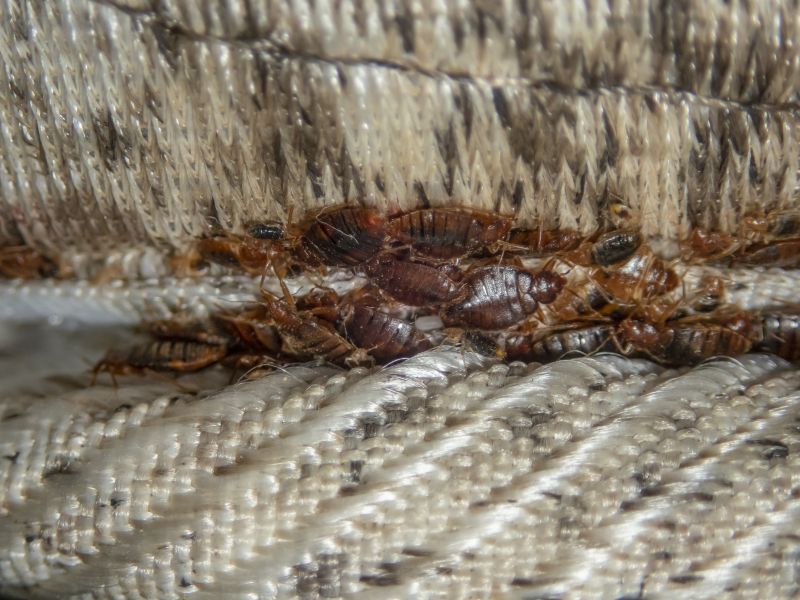


Understanding how bed bugs spread is a common concern for homeowners dealing with infestations or trying to prevent them. When people search for this topic, they typically want to learn how these pests move from one place to another, especially to protect their homes or workplaces. The focus often lies on understanding the pathways that allow bed bugs to transfer, so they can better prevent future problems or identify the source of an existing infestation. This knowledge helps homeowners develop effective plans for inspection, treatment, and ongoing prevention, making it a key part of managing bed bug issues.
The spread of bed bugs is closely related to problems involving infested items and the desire to avoid bringing pests into a home. Many searches are driven by concerns about infested furniture, luggage, or clothing, especially after travel or staying in shared accommodations. People also look into how bed bugs can hitchhike via transportation, second-hand goods, or even through close contact with infested neighbors. Understanding these movement patterns allows homeowners to plan better defenses, such as inspecting belongings before bringing them inside or treating items that might serve as sources of infestation.
Certain types of properties are more commonly associated with the spread of bed bugs. Apartments, condominiums, and multi-unit buildings often see higher incidence rates because of the close proximity of units, which facilitates pest movement. Hotels, motels, and other transient accommodations are also common sites for bed bug spread due to frequent guest turnover and shared spaces. Additionally, homes with clutter or those that have experienced recent renovations or second-hand furniture purchases are at increased risk. Recognizing these property types helps homeowners and property managers understand how bed bugs might spread and when to seek the assistance of local service providers who specialize in treatment and prevention.
Local bed bug fumigation professionals play a vital role in addressing how bed bugs spread by providing targeted inspection, treatment, and prevention strategies. They can identify hidden sources of infestation, evaluate the risk of spread within multi-unit buildings, and recommend measures to stop the pests from moving between rooms or neighboring properties. For homeowners, working with experienced service providers ensures that infestations are thoroughly treated and that steps are taken to prevent future spread. This collaborative approach helps maintain a pest-free environment and reduces the likelihood of recurring problems caused by the pests’ ability to move through various property types and shared spaces.
Pest inspection services - professionals who identify the pathways and sources of bed bug infestations can help determine how bed bugs spread within a property or between locations.
Property inspection and assessment - local contractors assess building layouts and common areas to understand potential routes for bed bug movement and prevent further spread.
Cleaning and clutter removal services - specialists in cleaning and organizing can reduce hiding spots, limiting bed bugs' ability to spread from infested areas.
Furniture and mattress treatment - service providers that focus on treating or disposing of infested furniture help stop the transfer of bed bugs to new areas.
Preventive pest control consulting - experts advise on measures to reduce the risk of bed bugs spreading through shared spaces or belongings.
Moving and relocation pest management - professionals who handle pest control during moves can prevent bed bugs from spreading to new residences or commercial spaces.
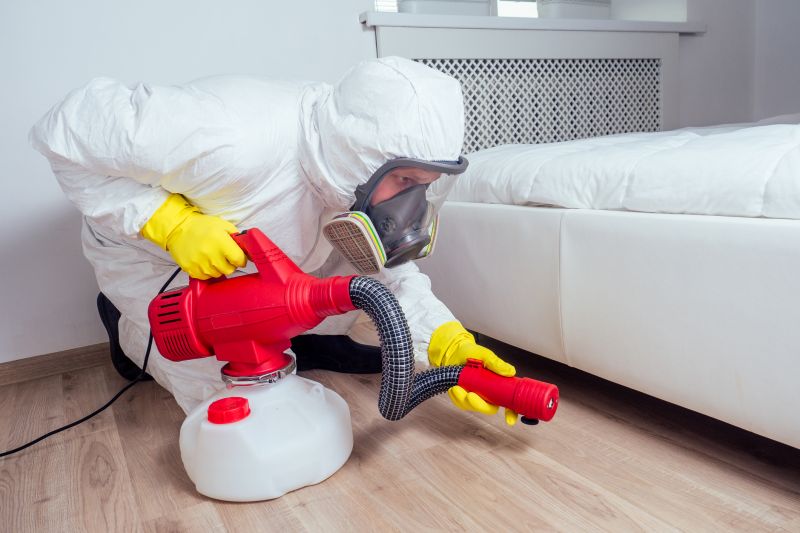
When comparing local contractors for bedbug fumigation services, it’s important to consider their experience with similar projects. Homeowners should look for service providers who have a proven track record in handling bedbug infestations, particularly those involving complex or widespread issues. An experienced contractor will understand how bed bugs spread within a home and can implement effective treatment strategies tailored to the specific circumstances. Asking about past projects can help ensure that the contractor is familiar with the challenges of bedbug control and has successfully addressed issues similar to the one at hand.
Clear written expectations are essential when selecting a service provider for bedbug fumigation. Homeowners should seek detailed information about what the treatment process involves, including preparation steps, the scope of the work, and any follow-up procedures. Having a transparent plan helps set realistic expectations and minimizes surprises during the course of treatment. Service providers who communicate their processes clearly and provide written estimates or plans demonstrate professionalism and a commitment to ensuring clients understand what to expect, which is especially important when dealing with the complexities of bedbug infestations.
Reputable references and effective communication are key factors in choosing a reliable local contractor. Homeowners can ask for references from previous clients who experienced similar infestations, to gain insight into the contractor’s quality of work and customer service. Additionally, good communication throughout the process-such as responsiveness to questions and clarity about treatment options-can make a significant difference in managing the infestation effectively. Service providers who prioritize open, honest dialogue and can provide trustworthy references are more likely to deliver a satisfactory experience when addressing how bed bugs spread and implementing appropriate fumigation solutions.
Property owners often search for how bed bugs spread when they are planning practical projects around their homes and businesses. Local pros provide Bedbug Fumigation services for everyday jobs and straightforward project options.

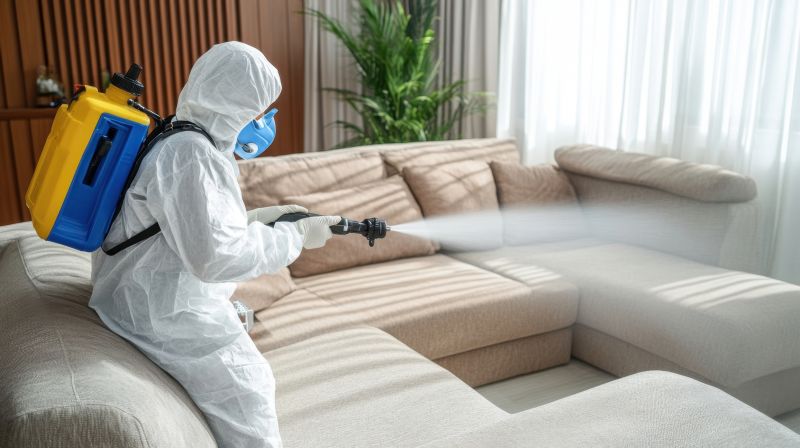
Understanding how bed bugs spread can help property owners in the area take proactive measures to prevent infestations. Common scenarios, such as bringing secondhand furniture into a home or staying in infested hotels, are typical ways these pests can hitch a ride and establish themselves. Additionally, shared spaces like apartment complexes or multi-unit buildings can facilitate the transfer of bed bugs between units, especially if proper precautions are not taken. When facing signs of an infestation, property owners often seek out bedbug fumigation services from local contractors who specialize in effective removal strategies.
Many property owners look into bedbug fumigation services after discovering how easily these pests can spread through everyday activities. Items like luggage, clothing, or used bedding can serve as carriers, making it crucial to address potential sources promptly. Professional service providers in the area can assess the situation, identify the routes of spread, and implement targeted treatments. Connecting with experienced local contractors ensures that infestations are handled efficiently, helping to restore comfort and prevent future spread within homes or commercial spaces.
How do bed bugs typically spread between rooms or units? Bed bugs often spread through infested furniture, luggage, clothing, or personal belongings that are moved from one area to another, especially in shared living spaces or during travel.
Can bed bugs spread through shared laundry or bedding? Yes, bed bugs can transfer via infested bedding, linens, or laundry items that are moved between different areas, facilitating their spread within a building or home.
Are bed bugs able to spread through the air or by crawling on walls? Bed bugs do not fly or jump; they spread mainly by crawling. They can move along walls, baseboards, and furniture to reach new areas, but they do not spread through the air.
What role do visitors or guests play in spreading bed bugs? Visitors or guests can inadvertently bring bed bugs into a home by carrying infested items or clothing, which can then lead to the pests spreading within the residence.
How can local service providers help prevent the spread of bed bugs? Local contractors can identify infested areas, treat affected spaces effectively, and advise on measures to prevent further spread of bed bugs within a property or building.
Understanding how bed bugs spread - property owners can identify common ways these pests travel, enabling targeted prevention efforts with help from local contractors.
Identifying high-risk areas - recognizing places where bed bugs are more likely to spread, such as shared laundry rooms or furniture, can guide treatment plans from local pros.
Implementing containment strategies - applying practical measures like isolating infested furniture or belongings can minimize spread, with guidance from local service providers.
Preventing future spread - adopting habits like inspecting secondhand items or luggage can reduce the risk, supported by advice from local contractors experienced in bed bug control.
If you are thinking about how bed bugs spread for a property, this guide is meant to help you understand this topic, the typical project types, and how different options might fit your plans.
When you are ready, you can use the quote form on this page to share a few details about your project. From there, local pros can review the basics and follow up with options that match what you have in mind.