
How Fumigation Works in Residential and Commercial Buildings
People seeking to eliminate pests in residential and commercial buildings rely on local service providers who specialize in fumigation to effectively control and prevent infestations.
Understanding how fumigation works in residential and commercial buildings can help property owners make informed decisions about protecting their spaces from pests. Whether dealing with persistent infestations or preparing for routine pest management, knowing the basic process can clarify what to expect from professional services. Local contractors who specialize in fumigation use targeted methods to eliminate pests efficiently, ensuring that both homes and businesses remain safe and pest-free environments.
For property owners in the area, exploring how fumigation works offers practical insights into the importance of professional treatment options. These experts utilize techniques designed to address a wide range of pest problems, providing effective solutions tailored to the specific needs of residential and commercial spaces. Continuing to learn about this process can help individuals determine when professional assistance might be the right choice for maintaining a healthy, pest-free property.
- Residential fumigation - homeowners dealing with pest infestations in their homes can rely on local contractors to perform thorough treatments that eliminate pests effectively.
- Commercial fumigation - business properties experiencing pest issues may require specialized fumigation services handled by local service providers to ensure minimal disruption.
- Residential fumigation - when preparing for pest control in a home, local pros assess the property and apply targeted fumigation methods to protect living spaces.
- Commercial fumigation - large commercial buildings needing pest eradication often depend on local contractors to execute comprehensive fumigation plans safely and efficiently.
- Residential fumigation - in cases of severe pest problems, local service providers implement fumigation procedures that address the specific needs of residential environments.
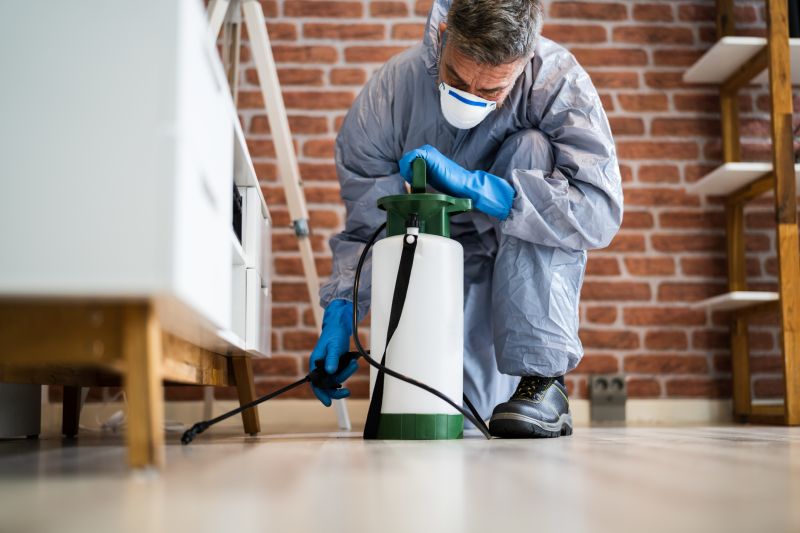
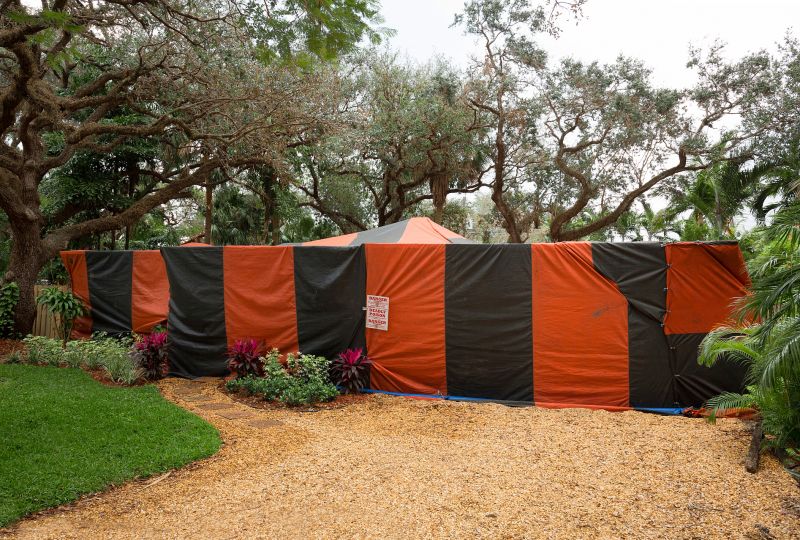
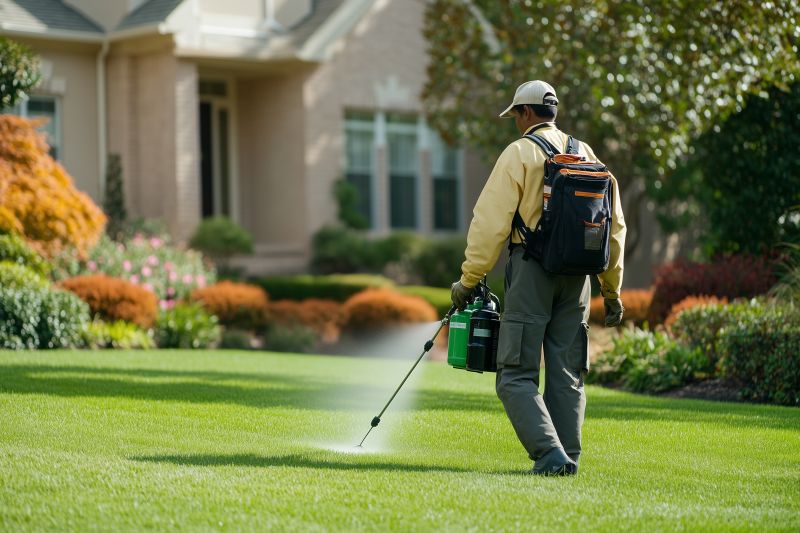
When people search for how fumigation works in residential and commercial buildings, they are often looking for a clear understanding of the process used to eliminate pests, such as termites, bed bugs, or rodents. This method involves the controlled use of gases or vapors to penetrate deep into walls, furniture, and hard-to-reach areas where pests hide. Homeowners and business owners want to know how the process is carried out, what substances are used, and how effective it is at eradicating infestations. Understanding these details helps them determine if fumigation is a suitable solution for their property and what to expect during the treatment.
Fumigation is typically associated with addressing serious pest problems or preparing a property for sale or renovation. It relates to plans that involve removing pests that have become difficult to control with conventional methods. For example, a homeowner might consider fumigation if termites have caused extensive damage, or a business might need to eliminate bed bugs that have spread throughout a hotel or apartment complex. The process is also used when a property requires thorough disinfection in cases of infestations that threaten health or property integrity. These scenarios highlight the importance of working with experienced service providers who understand how fumigation works and can perform the treatment safely and effectively.
The types of properties that come up in discussions about fumigation include both residential and commercial buildings. Residential properties often involve single-family homes, apartments, or condos that face pest infestations impacting comfort and safety. Commercial properties can include hotels, warehouses, restaurants, or office buildings where pest control is critical to maintaining operations and compliance standards. These buildings typically require a tailored approach, as factors like size, layout, and occupancy influence how fumigation is performed. Local contractors specializing in residential and commercial fumigation are equipped to handle these different property types, ensuring the process aligns with the specific needs of each project.
Understanding how fumigation works in these settings helps property owners see the connection between the treatment and their pest control goals. Fumigation involves sealing the entire property in a way that traps the fumigant inside, allowing it to permeate every corner and kill pests at all life stages. The process requires careful planning and execution by experienced service providers who manage the safety measures and ensure the treatment is thorough. Whether dealing with a home or a commercial space, local pros can assess the property, recommend the appropriate treatment plan, and carry out the fumigation to help eliminate pests effectively. This makes it easier for property owners to address serious infestations and restore a pest-free environment.
Pest control treatments - pest control projects often require similar planning and application of chemicals, making them comparable to fumigation in residential and commercial buildings.
Structural pest inspections - inspections for signs of pest infestations involve assessing building vulnerabilities, which aligns with the planning stages of fumigation services.
Termite treatment services - termite treatments utilize chemical or gas methods that are closely related to the techniques used in fumigation processes.
Moisture control and mold remediation - these projects involve preparing structures and using specialized equipment, similar to the preparation and tools used in fumigation.
Building sanitation and disinfection - sanitation projects often require controlled application of chemicals, paralleling the procedures in fumigation for pest control.
Emergency pest response services - quick-response pest control projects often involve rapid planning and chemical application, similar to the steps in residential and commercial fumigation processes.
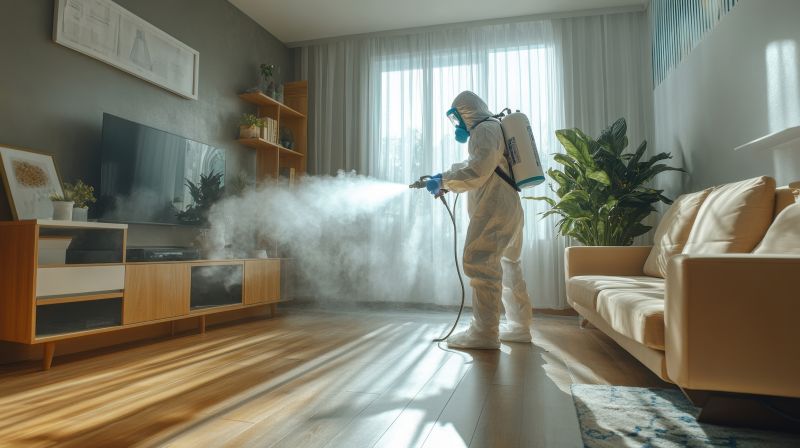
When comparing service providers for fumigation services in residential and commercial buildings, it is important to consider their experience with similar projects. A contractor who has handled fumigation in spaces comparable in size and complexity can better understand the specific requirements of the job. This familiarity can contribute to a more efficient process and help ensure that the fumigation is performed effectively. Homeowners should inquire about the types of properties the contractor has worked on and seek details about their familiarity with the particular challenges that can arise in different building types.
Clear written expectations are essential when evaluating local contractors for fumigation work. A reputable service provider should be able to provide detailed information about the scope of the process, including preparation steps, the duration of the treatment, and post-fumigation procedures. Having these details in writing helps establish a mutual understanding of what the service entails and reduces the risk of misunderstandings. Homeowners are encouraged to ask for explanations of the process and confirm that all aspects are clearly outlined before proceeding.
Reputable references and good communication are key indicators of a reliable contractor. Contacting previous clients or checking reviews can provide insights into the contractor’s professionalism and the quality of their work. Additionally, effective communication throughout the process-such as responsiveness to questions and clarity in explaining procedures-can make the experience smoother. When comparing local service providers, it is beneficial to prioritize those who demonstrate transparency, provide comprehensive information, and maintain open lines of communication, as these qualities often reflect a commitment to customer satisfaction and successful project completion.
Property owners often search for how fumigation works in residential and commercial buildings when they are planning practical projects around their homes and businesses. Local pros provide Residential and Commercial Fumigation services for everyday jobs and straightforward project options.
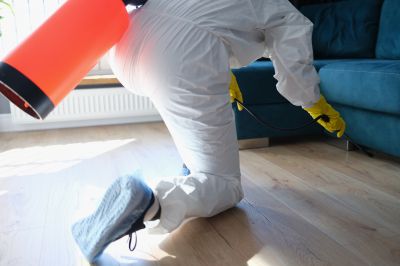
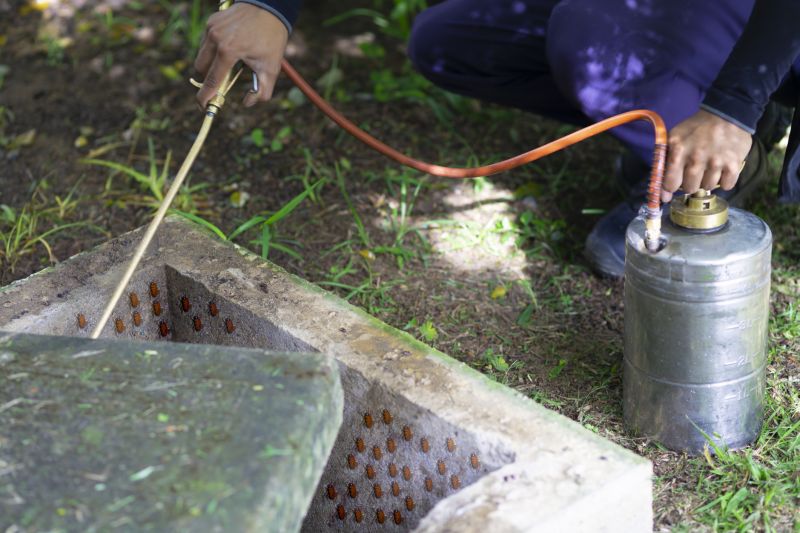
Understanding how fumigation works in residential and commercial buildings can help property owners address pest issues effectively. When pests like termites, bed bugs, or rodents become a concern, local contractors often recommend fumigation as a thorough solution. The process typically involves sealing the building to contain a specialized gas or vapor that penetrates into cracks, crevices, and hidden spaces where pests hide. This method ensures that pests are eradicated throughout the entire structure, making it a popular choice for severe infestations or when other treatments haven’t succeeded.
For property owners considering fumigation, knowing how the process is carried out can provide peace of mind. Local service providers are experienced in preparing buildings properly, which may include removing food, plants, or sensitive items before the treatment begins. After the fumigation process, the building is ventilated thoroughly to ensure safety for inhabitants. Whether for a home or a commercial property, these local contractors can handle the entire procedure professionally, helping to restore a pest-free environment efficiently and effectively.
How does fumigation work in residential and commercial buildings? Fumigation involves sealing the building and releasing a gas or vapor that penetrates all areas to eliminate pests or microorganisms. Local contractors use specialized equipment and chemicals to ensure thorough treatment and safety during the process.
What types of pests or issues can fumigation address in buildings? Fumigation is effective against a wide range of pests such as termites, bed bugs, rodents, and mold spores, making it suitable for both residential and commercial properties facing infestations or contamination.
How do local service providers prepare a building for fumigation? Preparation typically includes sealing all openings, removing or covering food and sensitive items, and ensuring proper ventilation. Local pros guide property owners through these steps to ensure safe and effective treatment.
Is fumigation safe for residents and occupants during and after the process? When performed by experienced local contractors, fumigation is conducted with safety measures in place, including sealing the building and providing instructions for post-treatment ventilation and re-entry.
What should property owners expect after a fumigation treatment? After fumigation, buildings are ventilated to remove residual gases, and local pros may recommend cleaning or inspection to confirm pest or microorganism elimination before reoccupying the space.
Assessing pest infestations - property owners can work with local contractors to evaluate the severity of pest problems before fumigation, ensuring the right approach is chosen.
Preparing the building - homeowners and business owners can follow guidance from local service providers to clear out items and secure spaces prior to fumigation.
Choosing the right fumigation method - property owners can consult local pros to determine whether gas or other methods are best suited for their residential or commercial space.
Post-fumigation cleanup - local contractors can assist with safe removal of residual chemicals and restoring the building after fumigation is complete.
If you are thinking about how fumigation works in residential and commercial buildings for a property, this guide is meant to help you understand this topic, the typical project types, and how different options might fit your plans.
When you are ready, you can use the quote form on this page to share a few details about your project. From there, local pros can review the basics and follow up with options that match what you have in mind.